Shrinath Ji Institute Of Pharmacy : Fees, Admission Procedure 2025, Entrance Exam Accepted & Placements
Huda colony, building No. 1094 , sec 46, Gurugram | 3.00 | 124+ Courses
Private University Estd. 1952 NIRF #1 (Medical) 2024Course Curriculum
| Course Name | Total Fees | Eligibility | Placement |
|---|---|---|---|
| Bachelor of Pharmacy | - | - |
Placement
The information will be added soon...
Infrastructures
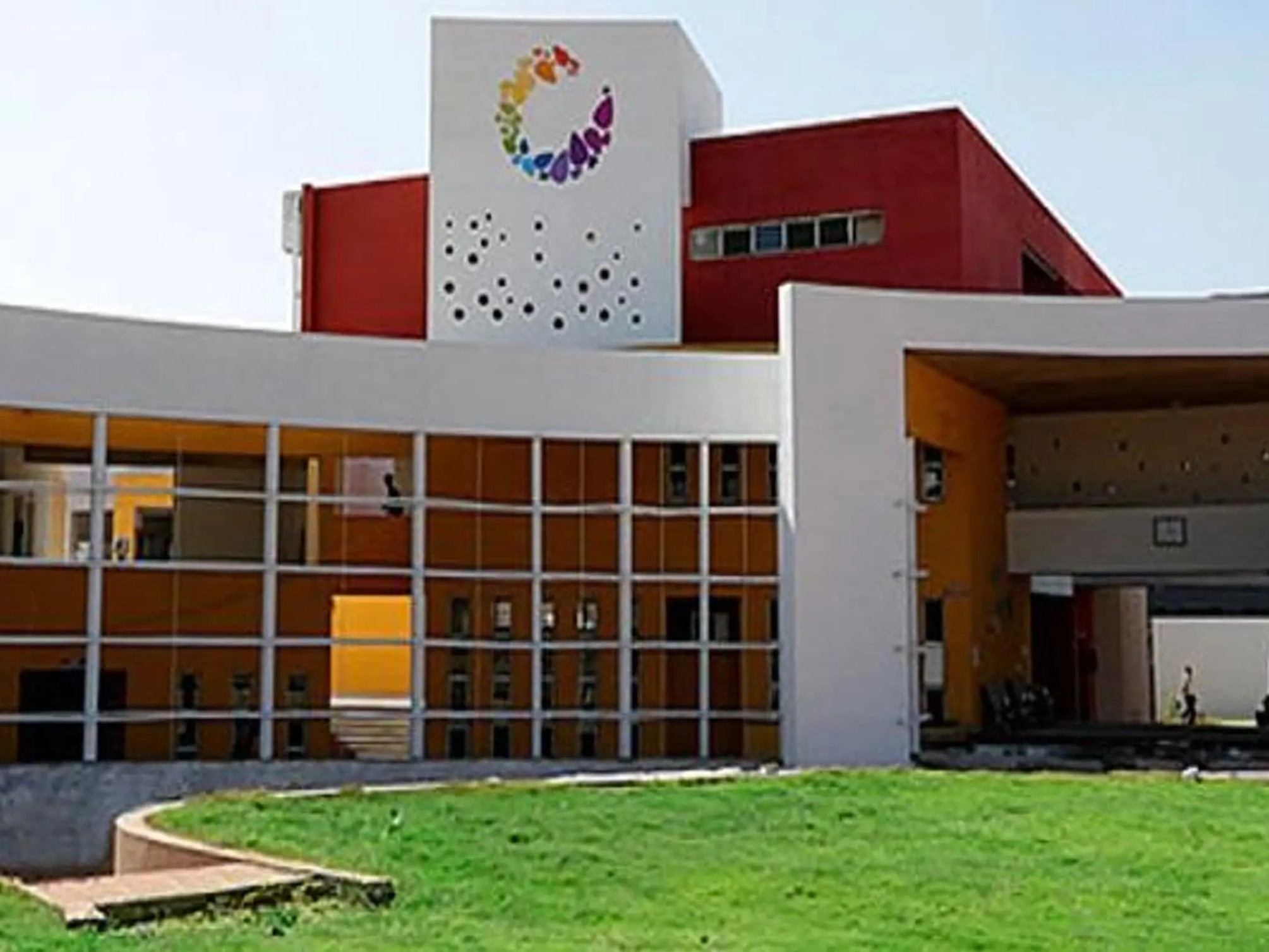
Institute is equipped with modern facilities.
Laboratory
SIP has developed the laboratories based on PCI norms (Pharmaceutics lab, Pharmaceutical Chemistry lab, Pharmacology lab, Pharmacognosy lab, Microbiology/Biotechnology lab and Machine room). These labs were equipped to provide students state-of-the-art facilities. In addition to these, it possesses a good animal house as per CPCSEA norms to use the animals for practical and research works. SIP has furnished computer lab with 40 computers. The speed is 256 kbps and the lab is open for 24 hrs. All
Library
Specialized collections are available in SIP library (Pharmaceutics, Pharmaceutical chemistry, Pharmacology, Pharmacognosy, Physiology, Mathematics etc.,) and the Library comprises of the following: Total number of books- 1500, National and International journals -15, Magazines-5 and Newspaper’s-5. The library has well organized to utilize 60 students at a time. Shortly, our library is going to be digitalized by Delnet.
Facility
The information will be added soon...
Reviews
Aug 19, 2025
RM
Rawat Mukesh Singh
Screening methods for anti inflammatory drug
(NOT RELATED TO COLLEGE) 1.0 IN VIVO SCREENING METHOD OF ANTIINFLAMMATORY DRUG – AN APPROACH TO HERBEL DRUGS 1.1 INTRODUCTION Inflammation is part of the complex biological response of vascular tissues to harmful stimuli, such as pathogens, damaged cells, or irritants. Inflammation is a protective attempt by the organism to remove the injurious stimuli and to initiate the healing process. Inflammation is not a synonym for infection, even in cases where inflammation is caused by infection. Although infection is caused by a microorganism, inflammation is one of the responses of the organism to the pathogen. Without inflammation, wounds and infections would never heal. Similarly, progressive destruction of the tissue would compromise the survival of the organism. The plants are one of the most important sources of medicines. India is known due to availability of several thousands of medicinal plants in the different bioclimatic zones anti-inflammatory diseases It is localized tissue response to injury by physical or chemical agents. It comprises a series of phenomenon occurring partly in the circulatory system and partly in the tissue in varied proportion. Inflammation is essentially beneficial; however, excess or prolonged inflammation can cause harm. Inflammation has been variously de¬fined. Houck (1963) has called it a vital response of tissue injury. Considering Houck's definition one might be tempted to describe it as a protective and normal response to any kind of noxious stimulus. This stimulus may alter the normal physiological process of the host, varying from the acute transient and highly localized response to simple-mechanical injury or to the complex persistent response involving the whole organism. This initial response may initiate further a series of biochemical, immunological and cellular events, which may range in time from recognition of the noxious stimulus through mobilization of natural defence mechanisms ending with physical repair and restoration of function of the injured tissue. 1.2 DEFINITION "Inflammation is the reaction of vascular supporting elements to injury and results in formation of protein rich exudates provided the injury has not been so serious as to destroy the area". Inflammation can be defined simply by summing up all these processes, as a complex, vascular lymphatic and local tissue reaction elicited in animals by the presence of viable and non-viable irritants. 1.3 Classification of Inflammation Inflammation may broadly classify into three categories: (1) Acute inflammation. (2) Chronic inflammation. (3) Miscellaneous kinds of inflammation. This third category may include allergic and dermatological disorders. 1. Acute Inflammation When a tissue injury is caused by a single event such as mechanical trauma, a thermal or chemical burn or a single exposure to non-replicating antigen the protective phenomena results in inflammation and repairative process proceeds smoothly from injury to recovery. Thus whole inflammatory process at least in acute inflammation examplifies a beneficial homeostatic mechanism trying to restore the affected tissue to its normal healthy state. 2. Chronic Inflammations There are many diseases which are distinguished by signs and symptoms characteristic of response to chronic inflammatory process of unknown etiology. Some of the rheumatic disorders are characterized by a lack of detectable anti-globulin (rheumatoid factor) and antinuclear antibodies in the serum. These are often loosely called as collagen disease which is suggestive of involvement of structure and/or metabolism of collagen in the diseased process. Several classifications have been suggested (Kulonen, 1971). The main members include rheumatic fever, rheumatoid arthritis, ankylosing spondylitis and osteoarthritis, but many other disorders exhibiting chronic inflammatory changes such as periarteritis nodosa, scleroderma and systemic lupus erythematosus are frequently included in general classification (Goodman and Gillman 1970). However we have included these disorders in miscellaneous group. There are some other types of chronic inflammations caused by self-replicating parasite like bacterium, virus or neoplasm. Such inflammation may become much more complex because of persisting injurious agents or their degraded products. When noxious agents cannot be destroyed or early eliminated, the inflammatory responses try to isolate them from the rest of the organism by forming granuloma (e.g. in pulmonary tuberculosis and silicosis or gumma as in syphilis). The ultimate response of this type is classified as Gohn complexes which contain viable but imprisoned tubercule bacilli functionally isolated from the host. Gout is characterized by acute and chronic inflammatory response to the deposition of microcrystals of sodium urate in the joints and tissues. Now the etiology of gouty arthritis are totally well understood. 3. Miscellaneous kinds of inflammation This group of disorders is not essentially inflammatory but its components are of inflammatory origin. Many of the dermatological conditions consist of acute, subacute and chronic inflammatory reactions to various known and unknown prime causes. All these disorders mainly involve skin and can readily be assessed. Some examples of these skin diseases are pemphigus, pemphigoid and discoid lupus. These, however, apparently seem to be immunologic but they hardly respond to immunosuppressive therapy (Ebringer and Mackay, 1969). Contact dermatitis on the other hand is a manifestation of delayed hyper-sensitivity, Encapheli mylites involving spinal cord and motor incoordination. Rejection of the transplanted organ is clearly initiated by normally protective immunological reactions but it is mediated by the familiar sequelae of inflammatory stimulus leading to cardinal signs of inflammation and, above all the loss of function. Inflammation is a universal host defense process involving a complex network of cell-cell , cell-mediator and tissue interaction . It occurs in response to a variety of stimuli such as physical, chemical, traumatic and infectious agents. Apart from exogenous factors, endogenous factors also contribution to inflammatory response. Figure 1: Site of inflammation process Mechanism of inflammation is that as a result of proinflammatory cytokine and chemokine release in response to injury or infection, mast cells in connective tissue as well as basophills, neutrophills and platelets leaving the blood from injured capillaries, release or stimulates the synthesis of vasodilators such as histamine, leukotrienes, bradykinins and prostaglandins. Certain products of complement pathways (C5a and C3a) can also trigger mast cells to release their vasodilators. Figure 2: Stage prior to vasodilation due to proinflammatory mediators Inflammation is the end result of complicated cascade of chemical mediators. Phospholipids are converted by enzyme phospholipase A2 to arachidonic acid (a 20 carbon unsaturated fatty acid formed in the cell membrane when required for PG synthesis). This is thus converted to endoperoxidases by COX. The endoperoxidases are the parent compound of PGD2, PGE2 and PGF2a, thromboxane-A2 and prostacyclin. Prostaglandins are found in tissues throughout the body PGE2 and PGF2a seems to be associated with inflammatory reaction. Prostacyclin is synthesized in arterial walls and it increases cAMP levels in platelet preventing their activation. Thromboxane -A2 is formed in platelets where it decreases cAMP levels and leads to platelet aggregation. PG are a related family of chemicals that are produced by the cells of the body and have several important functions. They promote inflammation, pain, and fever, support function of platelets that are necessary for clotting of blood and protect the lining of stomach from damaging effects of acid. Prostaglandins are produced within the body's cell by enzyme COX. There are actually 2 COX enzyme COX-1 (constitutive) and COX-2 (inducible). Both enzymes produce PG and promote inflammation, pain, and fever but mainly by COX-2. Moreover, only COX-1 produces PG that support platelets and protects the stomach and regulates renal blood flow. 1.4 Probable inflammenogenic factors A. Lysosomal Enzymes- It is postulated that lysosomal components such as hydrolytic enzymes or cationic proteins play important roles in the initiation of inflammation, tissue injury and connective tissue breakdown (Weissman and his co-workers, 1964, 1969; Shen, 1967, Janoff and Zweifach, 1964). Anderson (1970) found higher levels of catalytic enzymes in inflammed tissue or serum of arthritic rats as comperd to normal animals. In rat adjuvant arthritis, it has been stressed that the potential destructive capacity of connective tissue is acid hydrolases and is liberated within the endogenous cellular elements of connective tissue or derived from migrating leukocytes (Anderson, 1970). However Paulous and Whitehouse (1973) have stressed that the presence of potentially destructive enzymes in serum is not the sole factor in injury, because Collin and Lewis (1971) have found no correlation between maximum enzyme activity and presence of tissue damage. This is further supported by the fact that, in rheumatoid arthritis the catabolic activity is not the sole problem, but there is also the articular damage which may be due to adopted leukocytes in synovial tissue. Recent studies revealed the presence, within human polymorphonuclear leukocyte lysosomes, of enzymatic activity capable of degrading the non-collagenous proteoglycon matrix of hyaline cartilage at neutral pH (Ignarro et al., 1973). Rapid breakdown of the sulfated mucopolysaccharide constituents of cartilage was enhanced in a neutral pH or balanced salt solution by lysosome granule lysates derived from human, but not from rabbit or guinea pig, polymorphonuclear leukocytes. Thus human leukocytes are remarkably different from other species with regard to the capacity of their lysosomal enzymes to degrade intact cartilage under conditions of neutral pH and balanced ionic movements. The neutral protease activity of human leukocyte lysosomes to degrade hemoglobin was demonstrated (Ignarro, 1973). The presence of elevated lysosomal contents namely neutral proteases, acid hydrolases, chemotactic factors, kinin generating factors, vascular permeability factors, pyrogens in the synovial fluid of arthritic patients has been clearly documented (Ignarro, 1974a). Lysosomal enzymes secretion occurs as a result of interaction between the leukocyte or macrophage plasma membrane f and immunologic reactant or stimulus. Endocytosis of particulate reactants is not a prerequisite for enzyme secretion however; secretion occurs in the absence of phagocytosable particles, I such as non-phagocytosable immune complex surfaces (Henson, 1971; Hawkins, d 1972; Oronsky et al., 1973; and Ignarro 1974). This immunologically-provoked d selective secretion of lysosome granule contents from neutrophils appears to result from leakage into the extracellular, environment of primary lysosomes contents at precisely the time when newly-formed heterophagic vacuoles are still open to the extracellular compartment while merging at their surfaces with the lysosomes. All this important data indicate that there may be some kind of regulation by autonomic neurohormones, glucocorticoids, prostaglandins and cyclic nucleotides in immunologically-provoked secretion of lysosomal mediators of inflammation by human neutrophils. We found in our laboratory that Aspirin (high doses), phenylhutazone and indomethacin inhibit the increase of acid phosphatase in liver and inflammed tissue during various types of experimental inflammation in rats (Naik, 1973). There are also conflicting reports regarding action of anti-inflammatory agents on these lysosomal enzymes (Weissman, 1968). However, we feel that these catabolic enzymes, which are degraded from connective tissue or cellular elements make a common pathway for inflammatory process. Hence one should consider these enzymes for the evaluation of anti-inflammatory agents. There are some reports that a-globulin like macromolecules are present in pregnancy serum or adjuvant arthritic rats and are capable of stabilizing isolated liver lysosomes (Hempel et al., 1970). Thus one may presume that these substances may be endogenous natural antiinflammatory substances. The future research on the effect of lysosomes stabilization, enzyme deficiency or inhibition may probably lead to find out factors involved in chronic inflammatory process. B. Prostaglandins (PGS) Recontly Ramwell and Pharris (1972) have claimed that prostaglandins of E series are involved in cellular injury and inflammation. Most of the non-steroidal anti-inflammatory agents are active inhibitors of its production from its precursor, arachidonic acid. These prostablandins E 1 ,E 2 often induce the increase of vascular permeability in animals and flare response in human beings (Horton, 1963; Crunkhorn and Wills, 1971; Kaley and Weiner, 1971, 1971a). PGE type has been identified in the inflammatory exudate of carrageenin induced inflammation in the rat (Wills, 1969). Prostaglandins occur relatively late in inflammatory process and are often associated with migration of leukocytes into inflammed site (Willoughby, 1971). In rabbits it has been shown that during phagocytosis, prostaglandins are released from leukocyte lysomome (Higgs and Youlten, 1972) and also during endocytosis (Anderson; 1971). Aspinall and Cammarata (1969) and Zurier and Quagliata (1971) have reported that PGE 2 , elicits potent anti-arthritis effects in a model of adjuvant polyarthritis in the rat, but prostaglandin was not anti-inflammatory in acute inflammatory model. PGE 2 , PGA 1 , and PGA 2 , inhibited whereas PGF 2 -? increased the immunologic release of betaglucuronidase from human leukocytes (Zurirer et al., 1973). Further, PGE 1 , PGE 2 , PGA 1 , PGA 2 , and PGF2-? were reported to depress phagolytosis by polymorphonuclear leukocytes (Cox and Karnovsky, 1973). Aspirin, indomethacin and salicylates lave been shown by a number of workers to inhibit synthesis or release of PGE 2 and PGF 2-? from arachidonic acid from variety of tissue (Vane, 1971; Smith and Wills, 1971; Ferreira et al. 1971; Smith and Lands, 1971). The inhibition of prostaglandin synthetase by antinflammatory agents depends on its order of potency in carrageenin induced inflammation (Tomlinson et al., 1972). Though non-steroidal anti-inflammatory drugs suppress prostaglandin synthesis, recently it has been shown that PGE 1 and PGE 2 at high doses suppress local inflammation of arthritis and carrageenin induced inflammation (Aspinall et al., 1969; Glenn et al., 1972) with some side and toxic effects like hyperplasia, prostavation and diarrhaea which may contribute to its anti-inflammatory effect. Denko (1974) has shown by his beautiful experiments the involvement of prostaglandins in urate crystal inflammation. He explained that the prolonged inflammation of urate crystals is due to the constant formation or release of prostaglandins from antecedent phospholipids in the membrane. These released prostaglandins may occur with membranolysis. He concludes that urate crystal inflammation may be a membrane disease. In many cases the mechanisms by which prostaglandins elicit 'some of their actions are thought to involve cyclic AMP (Kahn and Lands, 1973). Similarly with regard to their potential anti-inflammatory effects certain prostaglandins have been reported to stimulate the synthesis and elevate the levels of cyclic AMP in human leukocyte (Scott, 1970; Bourne and Melmon, 1971. Bourne et al., 1971). In addition, PGE 1 , PGE 2 and PGF 2 -? were reported to stimulate adenylate cyclase activity in human mixed leukocytes (Poigar et al., 1973). Endogenous cyclic AMP and cyclic GMP might mediate the opposing effects of prostaglandins on lysosomal enzyme secretion from neutrophils. The prostaglandins, especially the biphasic actions of PGF 2 on neutrophil function argue in favour of a modulatory function for these tissue hormones in the inflammatory process. Glucocorticoids reduce the rapid accumulation of cyclic GMP' provoked by immune reactants but have no effect on levels of cyclic AMP. C. Complement System. Paulus and Whitehouse (1972) have mentioned some of the complements which together form approximately 10% (w/v) of human serum globulins. These, some people often call reactive proteins, are continually available to all body tissues and play a vital role in the protective mechanism of the organism against exogenous or endogenous injury agents. These complement constituents when set into action against injurious agents often cause damage to the host. The complement activation further stimulates many other reactions by which many more pathogenic and inflammatory factors are formed for example anaphylatoxin which causes smooth muscle contractions, increases capillary permeability, accumulation of migrated leukotcytes, releasing histamine from tissues, formation of high molecular kinins, lysis of platelets and thereby releasing vasoactive amines and other catalytic enzymes (Muller-Eberhard, 1969). These eleven complements are formed separately by different organs. (Paulus and Whitehouse 1972). Hence one must eventually find out some chemicals or agents which can selectively control the biosynthesis of these different types of complements in various organs. Trypsin inhibitors are irreversible complement inhibitors in vitro and some of them are also active in vivo but only at subtoxic dose level. Baker and Hurlbut, 1969; Cory et al., 1972). Cobra venom has long been used as complement inhibitor and is now successfully used as suppressor of immune response in organ transplatation. D. Protein Breakdown Process Local protein breakdown process may bring about perpetuation or the reduction of inflammation. Hence it will be advisable to think of the use of some antiproteolytic agents in inflammatory conditions. If anti-proteolytic drugs can prevent the process like histolysis, kinin, kallikrein formation, fibrin deposition, then it will be a real therapeutic use. However, it has also been shown that exogenous proteases may act as anti-inflammatory agents and increased synthesis of glycoproteins in the liver during inflammatory process. Hence, it is very difficult to say whether the proteolysis may aggravate or inhibit the existing inflammatory process. Extracellular proteases from plasma transudate infiltrating leukocytes, chondrocytes and synovial cells may degrade albumin (Barnnart et al., 1968) which perhaps enhance the protein synthesis and wound repair by delivering aminoacids and peptides from mobile aminoacid pool.Our preliminary experiments with treatment of aminoacids namely glycine, glutamic acid, phenylalanine and aspartic acid, in carragenin edema and cotton pellet-granuloma showed good anti-inflammatory effect (Naik et al., 1974a). The question, however, remains unsolved since the local regulation of proteolytic activity has some advantages and also disadvantages. E. Calcium Calcium is required for numerous secretory processes (Rubin, 1970). Woodwin et al., 1973) have reported that calcium is required for rabbit granulocytes to discharge f3-glucuronidase in the presence of leucocidin. Smith and Ignarro (1974) have indicated that calcium influx from the extracellular medium into human neutrophils occurs during cell contact with immune reactants at 37°C. Calcium influx was associated with, but preceeded, by lysosomal enzyme secretion from human neutrophils (Ignarro, 1974). Immune reactants such as zymosan treated serum or certain activated complement components operated as calcium ionophores in triggering lysosomal enzyme secretion from human neutrophils (Ignarro 1974). The knowledge that extracellular calcium is required for many reactants to provoke enzyme release suggests that calcium entry into the cells is important. Organic substances which provoke lysosomal enzyme secretion from neutrophils do so by first promoting calcium entry into the cells. Increased intracellular calcium could bring about the accumulation of intracellular cyclic GMP, which in turn could signal the secretion of lysosome granule constituents into the extracellular environment. F. Cyclic Nucleotides Advanced research in the bio-regulation of cell function has revealed that cyclic GMP and cyclic AMP serve as a second messenger role in the cellular actions of numerous primary hormones or effective substances. Accumulated evidence suggest that these two naturally occurring cyclic nucleotides play a vital role in expressing the actions of autonomic neurohumors, prostaglandins, glucocorticosteroids and calcium translation on lysosomal enzyme secretion from human neutrophils. Epinephrine, prostaglandins (PG) E l, norepinephrine, isoproterenol, glucagon or adrenocorticotrophin were reported to stimulate cyclic AMP synthesis in isolated and mixed human leukocytes (Scott, 1970; Bourne and Melmon, 1971). This catecholamine effect was inhibited by beta adrenergic blockers but not by a adrenergic blockers. Ignarro (1974) reported that effect of epinephrine is mediated by intracellular cyclic AMP by virtue of the capacity of this neurohormone to stimulate leukocyte adenylcyclase activity and thereby elevate the levels of cyclic AMP. Acetylcholine, other cholinergic agents and cyclic GMP analogs markedly accelerate lysosomal enzyme secretion (Ignarro, 1973). Atropine, a muscarin receptor blocker blocks the action of cholinergic agents and neither choline nor guanosine 5' - monophosphate affects enzyme secretion. Cholinergic agents and cyclic GMP enhance the secretion of lysosomal neutral protease activity from purified human neutrophils during phagocytosis of complex or altered IgG and rheumatoid factors (Ignarro 1974) Weissmann and his colleagues (Weissmann et al., 1971, Zurier et al., 1973, Zurier et al., 1973a and Stossel et al., 1972, Cox and Karnovsky, 1973) have shown that cyclic AMP and/or analogs of cyclic AMP have inhibitory effect on phagocytosis induced by polymorphonuclear cells. Epinephrine and isoproterenol were found to reduce phagocytosis by human neutrophils (Ignarro 1974b). Hence, it appears that at least two independent functions of neutrophils can be inhibited by cyclic AMP and catecholamines. Certain vasoactive hormone-mediators of inflammation and cAMP help in protecting host from the dangerous chain of an unregulated immune respose. cAMP is in control of leukocyte functions, mainly histamine release due to antigen-antibody reactions, hypersensitivity etc. (Bourne et al., 1971, 1972). Beta-adrenergic catecholamines, E series of prostaglandins and histamine itself stimulate accumulation of cAMP in leukocytes by activating adenyl cyclase (Lichtenstein and Gillespie, 1973). Relation of cAMP to regulation of immune and inflammatory response in vivo through the receptor in leukocytes namely neutrophils, thymus derived T cells and lympocytes derived from bone marrow (Bourne et at., 1974). Hence, nucleotides, both exogenous or endogenous consistently inhibit the secretory events which are responsible for immune response. Ignarro (1974d) reported that calcium mobilization into cells would stimulate guanyl cyclase and thereby elevate the levels of cyclic GMP. This high level of cyclic GMP would then signal the secretion of lysosomal contents. Bourne et al., (1974) stressed that the future line of research should be directed towards the implications of receptors of vasoactive amines in leukocytes and effects of cAMP on the early phase of immune response. 1.5 Methods for evaluating anti-inflammatory Agents. Acute inflammatory conditions can be produced in laboratory animals by using various phlogistic agents; however, duration of these inflammatory conditions is quite transitory and these inflammatory conditions can easily be controlled by using currently available antiphlogistic agents. Our main difficulty is dealing with chronic inflammatory conditions which include a large number of diseases and syndromes, caused by one or more unknown factors. Most of the available drugs (steroidal and non-steroidal) to treat these various chronic inflammatory conditions have their limitations due to toxic effects. Hence one should seek a truely non-toxic, yet potent, broad spectrum anti-inflammatory-arthritic drug. Ideally speaking anti-inflammatory drugs should have: (1) effect on prime causative factors, (2) inhibitory effect or blocking effect on initial reaction set in a biological model by the prime cause and thereby inhibit the established inflammation, (3) effect on end results of established inflammation which probably modifies non-specifically the underlying symptoms of inflammation or enhances the repairing process. Now the next important question is what models might be appropriate and which way they can be developed? These two questions will continually face the workers in this field of research until more satisfactory answers are available. 2.0 ANTI-INFLAMMATORY DRUGS NSAIDs block the COX enzyme and reduce PG throughout the body. As a consequence ongoing inflammation, pain and fever are reduced. Since PG that protect stomach and support the platelet and blood clotting also are reduced, NSAIDs can cause ulcer in stomach and promote bleeding. They are divided into 2 classes: 2.1 NSAIDs and Corticosteroids NSAIDs are COX inhibitors and this inhibits the conversion of AA to unstable endoperoxidases from which often inflammatory compounds are derived. But corticosteroids act one step higher up the pathway by stimulating the synthesis of the inhibitory protein lipocortin that inhibits the enzyme phospholipase A2from converting phospholipids to arachidonic acid. They therefore reduce the production of Leukotrienes C4 and D4, which are also involved with inflammation. 2.1.1 Nonsteroidal anti-inflammatory drugs (NSAIDs) NSAIDs have analgesic, antipyretic and anti-inflammatory activity. Antipyretic activity is exerted by inhibiting the rise of levels of PG in the brain, which acts as pyrogens, acting directly on the thermo-regulatory center in the hypothalamus, to increase body temperature. Their analgesic and anti-inflammatory effect is due to inhibition of PG synthesis in the inflammed tissues and therefore is on a peripheral level. PG cause little pain themselves but potentiate the pain caused by other mediators with bradykinin and histamine. Classification of Nonsteroidal anti-inflammatory drugs: • Salicylates: Aspirin, Sodium salicylate & diflunisal. • Propionic acid derivatives: Ibuprofen, Ketoprofen, naproxen. • Aryl acetic acid derivatives: Diclofenac, Ketorolac • Indole derivatives: Indomethacin, sulindac • Alkanones: Nabumetone. • Oxicams: Piroxicam, tenoxicam • Anthranilic acid derivatives (fenamates): Mefenamic acid and flufenamic acid. • Pyrazolone derivatives: Phenylbutazone, oxyphenbutazone, azapropazone (apazone) & Dipyrone (novalgine). • Aniline derivatives (analgesic only): Paracetamol. Aspirin is oldest NSAID and is very effective. It is used at far lower doses to inhibit clotting of blood and prevent strokes and heart attacks in individuals at high risk. However, up to 50% of patients are unable to tolerate the adverse effects i.e. nausea, vomiting, epigastric pain and tinnitus that are caused by high doses necessary to achieve an anti-inflammatory effect. NSAIDs vary in their potency, duration of action and way in which they are eliminated from the body, but they all have common mechanism of action. The newer NSAIDs are more selective for COX-2 and are therefore claimed to cause less GI toxicity. Therefore it is recommended that until more research is published confirming the clear, clinical benefits for using these COX-2 inhibitors that a conventional NSAID be chosen on the basis of incidence of GI and other side effects. Eg: celecoxib (celebrex), blocks COX-2, but has little effect on COX-1. This drug is referred to as one of the selective COX-2 inhibitor and cause less bleeding as and fewer ulcers than other NSAIDs. The drugs that the committee on safety of medicines (CSM) considers to be low risk with respect to GI side effects are ibuprofen and mefenamic acid. Diclofenac, naproxen and indomethacin are considered be intermediate risk, with that of azapropazone and phenyl butazone being considered high risk. If a full analgesic effect is not achieved after 1 week, and a full anti-inflammatory effect after 3 week another drug should be tried. Ibuprofen is often tried first because of its good side effect profile. Other commonly used drugs are diclofenac, ketoprofen, naproxen and indomethacin. The GI side effects of NSAIDs are dyspepsia, nausea, and occasionally occult blood loss and ulceration. Other side effects include hypersensitivity reaction including rashes, angioedema and bronchospasm, headache, dizziness, vertigo, tinnitus, fluid retention and rarely renal failure, hepatic damage, alveolitis, pulmonary eosinophillia and Steven-Johnson syndrome. They are recommended to avoided in those patients with asthma. NSAIDs interact with many different class of drugs. The anti-hypertension effect of ACE inhibitor, angiotension-2 antagonist, beta blockers and diuretics are antagonized. Individuals with a serious allergy to one NSAID are likely to experience a similar reaction to a different NSAID. NSAID also decrease ability of blood to clot and therefore increase bleeding time. Therefore individuals who are taking drugs that reduce the ability of blood to clot should avoid prolonged use of NSAIDs. 2.1.2 CORTITCOSTEROIDS Here glucocorticoid activity suppresses inflammation, allergy and immune responses. It is important to realize that to be effective as an anti-inflammatory, an agent needs to combine high glucocorticoid activity with relatively low mineral corticoid activity. Drugs with predominantly glucocorticoid activity are therefore used in many disease states where inflammation is a clinical manifestation, e.g.: asthma, inflammatory bowel disease, rheumatoid arthritis and severe inflammatory condition of hand and skin. Examples of Corticosteroids available • Hydrocortisone • Prednisolone • Dexamethasone • Beclomethasone • Budesonide • Fluticasone Prednisolone is most commonly used corticosteroid because of its predominantly glucocorticoid activity. Dexamethasone has particularly high glucocorticoid activity and low minerello corticoid activity and therefore can be used in high doses, in condition such as cerebral edema. Triamcinolone is commonly used in arthritis. In the form of an intra-articular injection to decrease local inflammation of joints. The use of corticosteroid for long term is limited by extensive range of side effects they can cause. Metabolic effects include Cushing's syndrome, which is manifested by development of moon face and redistribution of fat from extremities to the face and trunk. Carbohydrate metabolism is altered leading to hyperglycemia and occasionally diabetes. Skeletal muscle wasting and weakness occur secondary to protein loss. Osteoporosis results from increased bone catabolism and patients develop skin striac and they also bruise easily. Patients on corticosteroids are also more susceptible to infections, due to immune system suppression. Psychosis, glaucoma, cataracts and peptic ulceration can also occur. 3.0 HERBAL ANTI INFLAMMATORY DRUGS Herbal plants with anti-inflammatory action: (i) GINGER Figure: GINGER It appears to relieve inflammatory pain as effectively as aspirin, ibuprofen and other NSAIDs, without their adverse side effects. Ginger does this by partially blocking COX-2 enzymes, which are necessary for inflammation. Unlike synthetic NSAIDs, it does not block COX-1, and therefore does not produce gastric bleeding associated with these drugs. Ginger therapeutic promise is supported by extensive evidence of strong anti-inflammatory effects in animals, and the very positive results of two preliminary clinical trials from Denmark. In the first study, seven patients were given ginger for 3 months, and each of them reported better relief from stiffness, swelling, and pain and they had experienced from synthetic NSAIDs. In the second study, ginger was given to patients with RA, patients with osteoarthritis and 10 patients with fibromyalgia like symptoms. In the end, three out of four experienced significant relief from pain and swelling. Gingerols, active constituent of ginger (rhizome of zingiber officinale) is a potential new class of platelet activation inhibitor. In a study, the ability of a series of synthetic gingerols and related phenyl alkanol analogues (G1 – G7) to inhibit human platelet activation, compared to aspirin, by measuring their effects on arachidonic acid (AA) induced platelet serotonins release and aggregation in vitro. Gingerols and related analogues (G1 - G7) inhibited the AA induced platelet release reaction in a similar dose range as aspirin, with IC50 values between 45.3 and 82.6 µM. G1 - G7 were also effective inhibitor of AA induced human platelet aggregation. The mechanism underlying inhibition of the AA- induced platelet release reaction and aggregation by G1-G7 may be via an effect on COX activity in platelets because representative gingerols and related analogues (G3-G6) potently inhibited COX activity in rat basophilic leukemia (RBL-2H3) cell. In ancient cultures, medical practitioners focused on herbs for promoting the immune systems of body. In many countries ginger and its products raise the immune system. Gingerol, shogaol, and other structurally-related substances in ginger inhibit prostaglandin and leukotriene biosynthesis through suppression of 5-lipoxygenase or prostaglandin synthetase. Additionally, they can also inhibit synthesis of pro-inflammatory cytokines such as IL-1, TNF-?, and IL-8. In another investigation, Pan et al. showed that in macrophages,[6] shogaol can down-regulate inflammatory iNOS and COX-2 gene expression. Jung et al. indicated that rhizome hexane fraction extract of Z. officinale inhibited the excessive production of NO, PGE (2), TNF-alpha, and IL-1beta.Because of potent compounds in ginger rhizome for inhibiting allergic reactions, it may be useful for the treatment and prevention of allergic diseases. Habib et al. showed that ginger extract can reduce the elevated expression of NF?B and TNF-? in rats with liver cancer.The activation of NF-?B is linked to a variety of inflammatory diseases, including cancer, atherosclerosis, myocardial infarction, diabetes, allergy, asthma, arthritis, Crohn's disease, multiple sclerosis, Alzheimer's disease, osteoporosis, psoriasis, septic shock, and AIDS. Lantz et al. showed that gingerols can inhibit LPS-induced COX-2 expression while shogaol containing extracts has no effect on COX-2 expression. These data demonstrate that important compounds in ginger are capable of inhibiting PGE (2) production.Studies evaluating the effectiveness of ginger in patients with osteoarthritis have controversial results. One study showed ginger extract to have a statistically significant effect on reducing symptoms of osteoarthritis of the knee. In another study, the effect of ginger in osteoarthritis was significant only in the first period of treatment. In gout as a rheumatic disease of joints, shogaol has strong anti-inflammatory and antioxidant effects and can be used as a curative agent.Ginger in one research study gives that 3 - 7g of ginger a day to 28 people with RA. More than 75% of those participating in study reported at least some relief from pain and swelling. Even after more than 2 years of taking these high doses of ginger, none of people reported side effects. Many drink ginger tea for arthritis. (ii) TURMERIC (Curcuma longa, a close botanical relative of ginger) Figure: TURMERIC Curcumin, yellow pigment of turmeric has significant anti-inflammatory action. Curcumin has been shown to be as effective as cortisone or phenyl butozone in certain models of inflammation. Curcumin is sometimes given in combination with an equal dose of an extract of the pineapple plant called bromelain, which appears to possess anti-inflammatory properties of its own. Curcumin is safe; side effects are rare and are generally limited to occasional allergic reaction and mild stomach upset. The possible anticarcinogenic activity of curcumin and other curcuminoids may be accounted for by a few mechanisms. These include inhibition of angiogenesis, up regulation of apoptosis, interference with certain signal transduction pathways that are critical for cell growth and proliferation, inhibition of colonic mucosa cyclooxygenase (COX) and LOX activity and inhibition of farnesyl protein transference. The possible anti-inflammatory activity of curcuminoids may also be accounted for several mechanisms, including inhibition of COX and LOX, reduction of the release of ROS (Reaction Oxygen Species) by stimulated neutrophils, inhibition of AP-1 and NF-Kappa B and inhibition of activation of pro-inflammatory cytokines TNF (Tumour necrosis factor) - alpha and IL (interleukin)-1 beta and interleukin-8. (iii) BERBERIS Berberine, an alkaloid has anti-inflammatory action. A study was made on COX-2 because it plays a key role in PG synthesis, which is elevated in inflammation. In oral cancer cell line OC2 and KB cells, a 12 hour berberine treatment (1, 10, 100 µM) reduced PGE2 production dose-dependently with or without 12-0-tetradecanoyl phorbol-13-acetate (TPA, 10 nM) induction. This berberine induced effect occurred rapidly (3 h) as a result of reduced COX-2 protein, but not enzyme activity. The electrophoretic mobility shift assay revealed that activator protein 1 (AP-1) binding was decreased in oral cancer cells treated with berberine for 2h. Further analysis showed that berberine inhibited AP-1 binding directly. These anti-inflammatory effects paralleled to the in vivo results were berberine pre-treatment of wistar rat inhibited production of exudates and PGE2 in carrageenan induced air pouch. (iv) GUGGUL Figure: GUGGLE In guggul there is gum resin, which contains guggulsterone, a steroid compound. It appears to be effective in lowering both total cholesterol and LDL cholesterol. Guggulosterone has significant anti-inflammatory properties, as though they are somewhat overshadowed by its effects on lipid metabolism. This shows its use for treatment of Rheumatoid arthritis and other inflammatory condition. Studies have also shown guggulsterone to be at least as effective as conventional medication phenylbutazone and ibuprofen (Advil, Motrin) for both acute and chronic types of inflammation in animal models. It has also shown that Guggulosterone have approximately the same effectiveness as the antibiotic tetracycline for the treatment of nodulocystic acne. It decreases inflammation and lower the risk of recurrence of condition. (v) Aloe Vera Figure: Aloe Vera Best for minor wounds. It helps minimizing wound swelling, antimuscular and immune-stimulating action that help prevent wound infection.Aloe Vera is a plant species of the genus Aloe. It grows wild in tropical climates around the world and is cultivated for agricultural and medicinal uses. Aloe is also used for decorative purposes and grows successfully indoors as a potted plant. It is found in many consumer products including beverages, skin lotion, cosmetics, or ointments for minor burns and sunburns. There is little scientific evidence of the effectiveness or safety of Aloe vera extracts for either cosmetic or medicinal purposes. Studies finding positive evidence are frequently contradicted by other studies. There is little scientific evidence of the effectiveness or safety of Aloe vera extracts for either cosmetic or medicinal purposes. A research study finding positive evidence is frequently contradicted by other studiesAloe vera is a stemless or very short-stemmed plant growing to 60–100 cm (24–39 in) tall, spreading by offsets. The leaves are thick and fleshy, green to grey-green, with some varieties showing white flecks on their upper and lower stem surfaces.The margin of the leaf is serrated and has small white teeth. The flowers are produced in summer on a spike up to 90 cm (35 in) tall, each flower being pendulous, with a yellow tubular corolla 2–3 cm (0.8–1.2 in) long.Like other Aloe species, Aloe vera forms arbuscular mycorrhiza, a symbiosis that allows the plant better access to mineral nutrients in soil.Aloe vera leaves contain phytochemicals under study for possible bioactivity, such as acetylated mannans, polymannans, anthraquinone C-glycosides, anthrones, other anthraquinones, such as emodin and various lectins (vi) GLYCYRRHIZIN Figure: glycyrrhizins From licorice roots, inhibits inflammatory process of all sorts, including hepatitis and allergies, all of which produce destructive oxidants in the blood. Liquorice, or licorice,is the root of Glycyrrhiza glabra from which a sweet flavour can be extracted. The liquorice plant is a herbaceous perennial legume native to southern Europe and parts of Asia, such as India. It is not botanically related to anise, star anise, or fennel, which are sources of similar flavouring compounds. The scent of liquorice root comes from a complex and variable combination of compounds, of which anethole is up to 3% of total volatiles. Much of the sweetness in liquorice comes from glycyrrhizin, which has a sweet taste, 30–50 times the sweetness of sugar. The sweetness is very different from sugar, being less instant, tart, and lasting longer.The isoflavene glabrene and the isoflavane glabridin, found in the roots of liquorice, are phytoestrogens. Most liquorice is used as a flavouring agent for tobacco, particularly US blend cigarettes, to which liquorice lends a natural sweetness and a distinctive flavour and makes it easier to inhale the smoke by creating bronchodilators, which open up the lungs. Liquorice flavours are also used as candies or sweeteners, particularly in some European and Middle Eastern countries. Liquorice extracts have a number of medical uses, and they are also used in herbal and folk medications. Excessive consumption of liquorice (more than 2 mg/kg/day of pure glycyrrhizinic acid, a liquorice component) may result in adverse effects, and overconsumption should be suspected clinically in patients presenting with otherwise unexplained hypokalemia and muscle weakness. Other drugs with anti-inflammatory actions are, 1. Agrimony (Agrimonia eupatoria) 2. Butcher's broom (Ruscus Aaculeatus) 3. Chamomile 4. Chicory (Cichorium intybus) 5. Fever few (Chrysanthemum parthenium) 6. Marigold (Calendula officinalis) 7. St. John's wort (Hypericum perforatum) 8. Wild yam (Dioscorea villosa) 4.0 IN VIVO SCREENING METHODS OF ANTI INFLAMMATORY DRUGS In this screening methods, the potency of antiinflammatory agents are measured, by inducing the inflammation in the experimental animal like rats, mice, monkeys, dog or either sex can be selected. Before starting any in vivo assays, it is important to study the oral acute toxicity study, for the selection of test dose. In this maximum tolerated dose and minimum toxic dose are calculated, by injecting the test dose at an interval of 2 hrs in 10, 50,100, 200, 300,... 2000mg/kg pattern. Various in vivo screening methods were done in animals. Those are: 4.1 TYPES OF SCREENING METHODS: Based on the symptoms observed during the inflammation invivo screening methods for anti-inflammatory drugs are characterized in to three phases: ? Acute (or)transient phase: In this phase vasodilation and increased capillary permeability are observed. ? Sub-acute phase: Infiltration of leucocytes and phagocytes in blood. ? Chronic inflammatory phase: granuloma formation is observed in this phase. 1. ACUTE PHASE: The methods that include acute phase are as follows: 1. Carrageenan induced paw oedema in rats 2. Croton-oil induced ear edema 3. Oxazolone induced ear edema 4. U V erythema in guinea pigs 5. Pleurisy in rats 6. Granuloma air pouch technique 7. Vascular permeability 2. CHRONIC PHASE : The methods that include this chronic phase are: 1. Cotton wool granuloma 2. Glass rod granuloma 3. Sponge implantation technique 4.1 PAW EDEMA Purpose and Rationale Among the many methods used for screening of anti-inflammatory drugs, one of the most commonly employed techniques is based upon the ability of such agents to inhibit the edema produced in the hind paw of the rat after injection of a phlogistic agent. Many phlogistic agents (irritants) have been used, such as brewer's yeast, formaldehyde, dextran, egg albumin, kaolin, Aerosil, sulfated polysaccharides like carrageenin or naphthoylheparamine. The effect can be measured in several ways. The hind limb can be dissected at the talocrural joint and weighed. Usually, the volume of the injected paw is measured before and after application of the irritant and the paw volume of the treated animals is compared to the controls. Many methods have been described how to measure the paw volume by simple and less accurate and by more sophisticated electronically devised methods. The value of the assessment is less dependent on the apparatus but much more on the irritant being chosen. Some irritants induce only a short lasting inflammation whereas other irritants cause the paw edema to continue over more than 24 hr. Procedure Male or female Sprague-Dawley rats with a body weight between 100 and 150 g are used. The animals are starved overnight. To insure uniform hydration, the rats receive 5 ml of water by stomach tube (controls) or the test drug dissolved or suspended in the same volume. Thirty minutes later, the rats are challenged by a subcutaneous injection of 0.05 ml of 1% solution of carrageenan into the plantar side of the left hind paw. The paw is marked with ink at the level of the lateral malleolus and immersed in mercury up to this mark. The paw volume is measured plethysmographically immediately after injection, again 3 and 6 h, and eventually 24 h after challenge. Evaluation The increase of paw volume after 3 or 6 h is calculated as percentage compared with the volume measured immediately after injection of the irritant for each animal. Effectively treated animals show much less edema. The difference of average values between treated animals and control groups is calculated for each time interval and statistically evaluated. The differences at the various time intervals give some hints for the duration of the anti-inflammatory effect. A dose- response curve is run for active drugs and ED50 values can be determined. Modification Many agents can be used as irritants to induce paw edema in rats or mice. These are: 0.1 ml of 1% ovalbumin solution (Turner 1965) 0.1 ml of 1% formalin (Turner 1965) 0.1 ml of 0.2% carrageenan solution (Schönhöfer 1967) 0.1 ml of 1% carrageenan solution plus 100 ng PGE2 or PGI2 (Higgs et al. 1978; Portanova et al. 1996) 0.1 ml of 1 to 3% dextran solution (Turner 1965) 0.1 ml of 2.5% brewer's yeast powder suspension (Tsumuri et al. 1986) 0.1 ml of 0.1% trypsin solution (Kalbhen and Smalla 1977) 0.1 ml of solution of 100 IU hyaluronidase (Dewes 1955, Kalbhen and Smalla 1977) 0.05 ml of 0.02% serotonin solution (Kalbhen and Smalla 1977) 0.1 ml of 0.1 mg/ml prostaglandin E2 (Nikolov et al. 1978) 0.01 ml of 0.5% adriamycin (mouse paw) (Siegel et al. 1980) 0.1 ml of 2.5% mustard powder suspension (Tsumuri et al. 1986) 0.1 ml of 0.25% suspension of papaya latex (Gupta et al. 1994) The edema induced by the various irritants lasts for different times such as a few hours after serotonin and up to 2 days after Aerosil or after kaolin. These irritants therefore are suitable to study not only the degree but also the duration of the anti-inflammatory action. Standards Depending on the irritant steroidal and nonsteroidal anti-inflammatory drugs have a pronounced effect in the paw edema test. With carrageenan as irritant doses of 50 to 100 mg/kg phenylbutazone p.o. have been found to be effective. Critical Assessment of the Method The paw edema method has been used by many investigators and has been proven to be suitable for screening purposes as well as for more in depth evaluations. Dependent on the irritant steroidal and nonsteroidal anti-inflammatory drugs, antihistaminics and also, to a lesser degree, serotonin antagonists are active in the paw edema tests. FURTHER MODIFICATIONS OF THE METHOD Besides paw volume Shirota et al. (1984) determined the surface temperature of the inflamed paw in rats using a special cage with rolling rods. Brooks et al. (1991) used anesthetized dogs and demonstrated that a significant inflammatory response can be elicited in the dog paw by subcutaneous injection of carrageenan. The increase in paw volume can be quantitatively measured as a pressure change recorded via a water-filled balloon fixed against the paw with nonexpandable tape. Effective doses of non-steroidal anti-inflammatory drugs were closer to human therapeutic doses in dogs than in rats. Wirth et al. (1992) described a thermic edema which was induced in anesthetized Sprague-Dawley rats by immersing paws of the right and left hind limb into water of 55 °C. Immediately thereafter, the rats received the test drug (the bradykinin antagonist Hoe 140) intravenously. Paw volume was measured at regular intervals by plethysmography. Braga da Motta et al. (1994) described drug modulation of antigen-induced paw edema in guinea-pigs. Male short-haired guinea pigs weighing 250–350 g received on day 0 a single dorsal s.c. injection of 1 ml of phosphate buffered saline containing 20 g of ovalbumin, dispersed in 1 mg Al(OH)3. The animals were boosted with a similar injection of antigen on days 14, 21, and 28. Thirty five days after the first injection of antigen or Al(OH)3, the animals received an intraplantar injection of 0.5, 5, 50, or 200 µg ovalbumin, diluted in 100 µl of phosphate buffered saline. Edema was measured 2, 4, 6, 8, 24, and 48 h after the challenge. 2) CROTON-OIL EAR EDEMA IN RATS AND MICE Purpose and Rationale The method has been developed primarily as a bioassay for the concomitant assessment of the antiphlogistic and thymolytic activities of topically applied steroids by Tonelli et al. (1965). Procedure For tests in mice the irritant is composed as follows (v/v): 1 part Croton oil, 10 parts ethanol, 20 parts pyridine, 69 parts ethyl ether. For tests in rats the following mixture is prepared (v/v): 4 parts Croton oil, 10 parts ethanol, 20 parts pyridine, 66 parts ethyl ether. The standards and the test compounds are dissolved in this solution. For tests in mice male NMRI-mice with an weight of 22 g, for tests in rats male Sprague-Dawley rats with a weight of 70 g are used. Ten animals are used for controls and each test group. The test compounds are dissolved in a concentration of 0.03 mg/ml to 1 mg/ml for mice and in a 3 to 10 time's higher concentration for rats in the irritant solution. On both sides of the right ear 0.01 ml in mice or 0.02 ml in rats are applied. Controls receive only the irritant solvent. The left ear remains untreated. The irritant is applied under ether anaesthesia. Four hours after application the animals are sacrificed under anaesthesia. Both ears are removed and discs of 8 mm diameter are punched. The discs are weighed immediately and the weight difference between the treated and untreated ear is recorded indicating the degree of inflammatory edema. In the originally described method the ears are removed by sharp, straight scissors 6 h after application and weighed as total. The animals were sacrificed 48 h after topical ad-ministration and the thymus glands were removed, weighed and expressed as mg thymus/100 g body weight. Evaluation The antiphlogistic effect can be determined by expressing the increase in weight of the treated ear as percentage of the weight of the contra lateral control ear. The difference of both weights is divided by the weight of the contra lateral ear times 100. Otherwise, the difference between either ears or excised discs is calculated as the average values for treated and control groups and the effect is evaluated by statistical methods. Concentration of 0.5 to 1 mg/ml hydrocortisone has been proven to be effective. Critical Assessment of the Method The method is useful for evaluation of anti-inflammatory topical steroids especially in the modification when thymus weight is determined simultaneously. The method also can be used for topically applied nonsteroidal antiphlogistics. 3) OXAZOLONE-INDUCED EAR EDEMA IN MICE Purpose and Rationale The oxazolone-induced ear edema model as first described by Evans (1971) in mice is a model of delayed contact hypersensitivity that permits the quantitative evaluation of the topical and systemic anti-inflammatory activity of a compound following topical administration. Procedure Mice of either sex with a weight of 25 g are used. Before each use a fresh 2% solution of oxazolone (4-ethoxymethylene-2-phenyl-2-oxazolin-5-one) in acetone is prepared. The mice are sensitized by application of 0.1 ml on the shaved abdominal skin or 0.01 ml on the inside of both ears under halothane anaesthesia. The mice are challenged 8 days later again under anaesthesia by applying 0.01 ml 2% oxazolone solution to the inside of the right ear (control) or 0.01 ml of oxazolone solution, in which the test compound or the standard is solved. Special pipettes of 0.1 ml or 0.01 ml are used. Groups of 10 to 15 animals are treated with the irritant alone or with the solution of the test compound. The left ear remains untreated. The maximum of inflammation occurs 24 h later. At this time the animals are sacrificed under anaesthesia and a disc of 8 mm diameter is punched from both sides. The discs are immediately weighed on a balance. The weight difference is an indicator of the inflammatory edema. Evaluation Average values of the increase of weight are calculated for each treated group and compared statistically with the control group. A 0.003% solution of hydrocortisone and a 1% solution of indomethacin were found to be active. Critical Assessment of the Method The method is suitable for both steroidal and non-steroidal compounds as well as for the evaluation of various topical formulations 4) GRANULOMA POUCH TECHNIQUE Purpose and Rationale The method originally invented by Selye has been developed for screening by Robert and Nezamis (1957) using croton oil as irritant. An aseptic inflammation resulting in large volumes of haemorrhage exudate is elicited which resembles the sub acute type of inflammation. Instead of croton oil carrageenan can be used as irritant. Procedure Male or female Sprague-Dawley rats with a body weight between 150 and 200 g are used. Ten animals are taken for controls and for test groups. The back of the animals is shaved and disinfected. With a very thin needle a pneumoderma is made in the middle of the dorsal skin by injection of 20 ml of air under ether anaesthesia. Into the resulting oval air pouch 0.5 ml of a 1% solution of Croton oil in sesame oil is injected avoiding any leakage of air. Forty-eight hours later the air is withdrawn from the pouch and 72 h later any resulting adhesions are broken. Instead of croton oil 1 ml of a 20% suspension of carrageenan in sesame oil can be used as irritant. Starting with the formation of the pouch, the animals are treated every day either orally or subcutaneously with the test compound or the standard. For testing local activity, the test compound is injected directly into the air sac at the same time as the irritant. On the 4th or the 5th day the animals are sacrificed under anaesthesia. The pouch is opened and the exudates are collected in glass cylinders. Controls have an exudates volume between 6 and 12 ml, which is reduced dose dependent in the treated animals. Evaluation The average value of the exudates of the controls and the test groups is calculated. Comparison is made by statistical means. A clear dose response curve could be found by s.c. injection of 0.5, 1.0 and 2.0 mg hydrocortisone acetate/rat. Also doses of 1.5 mg/kg indomethacin were found to be active. Critical Assessment of the Method The method has been very useful to estimate the potency of anti-inflammatory corticosteroids both after local and after systemic application. By injection of a depot- preparation and induction of the granuloma pouch after various time intervals up to 4 weeks the duration of action can also be determined 5) COTTON WOOL GRANULOMA Purpose and Rationale The method has been described first by Meier et al. (1950) who showed that foreign body granulomas were provoked in rats by subcutaneous implantation of pellets of compressed cotton. After several days, histologically giant cells and undifferentiated connective tissue can be observed besides the fluid infiltration. The amount of newly formed connective tissue can be measured by weighing the dried pellets after removal. More intensive granuloma formation has been observed if the cotton pellets have been impregnated with carrageenin. Procedure Male Wistar rats with an average weight of 200 g are anaesthetized with ether. The back skin is shaved and disinfected with 70% ethanol. An incision is made in the lumbar region. By a blunted forceps subcutaneous tunnels are formed and a sterilized cotton pellet is placed on both sides in the scapular region. The pellets are either standardized for use in dentistry weighing 20 mg or pellets formed from raw cotton which produce a more pronounced inflammation than bleached cotton. The animals are treated for 7 days subcutaneously or orally. Than, the animals are sacrificed, the pellets prepared and dried until the weight remains constant. The net dry weight, i.e. after subtracting the weight of the cotton pellet is determined. Evaluation The average weight of the pellets of the control group as well as of the test group is calculated. The percent change of granuloma weight relative to vehicle control group is determined. Critical Assessment of the Method The method has been useful for evaluation of steroidal and nonsteroidal anti-inflammatory drugs. For testing corticosteroids, the test can be performed in adrenalectomized rats. 6) GLASS ROD GRANULOMA Purpose and Rationale The glass rod granuloma as first described by Vogel (1970) reflects the chronic proliferative inflammation. Of the newly formed connective tissue not only wet and dry weight, but also chemical composition and mechanical properties can be measured. Procedure Glass rods with a diameter of 6 mm are cut to a length of 40 mm and the ends rounded off by flame melting. They are sterilized before implantation by boiling in water. Male Sprague-Dawley rats with an initial weight of 130 g are anaesthetized with ether, the back skin shaved and disinfected. From an incision in the caudal region a subcutaneous tunnel is formed in cranial direction with a closed blunted forceps. One glass rod is introduced into this tunnel finally lying on the back of the animal. The incision wound is closed by sutures. The animals are kept in separate cages. The rods remain in situ for 20 or 40 days. Treatment with drugs is either during the whole period or only during the last 10 or 2 days. At the end the animals are sacrificed under CO2 anaesthesia. The glass rods are prepared together with the surrounding connective tissue which forms a tube around the glass rod. By incision at one end the glass rod is extracted and the granuloma sac inverted forming a plain piece of pure connective tissue. Wet weight of the granuloma tissue is recorded. The specimens are kept in a humid chamber until further analysis. For measurement of the mechanical properties the specimens are fixed into the clamps of the Instron(R) instrument allowing a gauge length of 30 mm. The load until break is recorded with a crosshead speed of 50 mm/min. In order to calculate tensile strength (N/mm2), the value of load at rupture (N) is divided by cross sectional area (measured as volume = wet weight divided by length). Finally, the granuloma tissue is dried and the dry weight is recorded. In addition, biochemical analyses, such as determination of collagen and glycosaminoglycans, can be performed. Evaluation Several parameters can be determined by this method. Granuloma weight was reduced by corticosteroids depending on dose and time of administration and was also diminished after treatment with nonsteroidal anti-inflammatory agents and lathyrogenic compounds. Furthermore, antiproliferative terpenoids reduced the granuloma weight. The mechanical parameters showed different results after these drugs indicating a different mode of action. Treatment with corticosteroids increased tensile strength. Only after long term treatment with toxic doses a decrease was found. Anti-inflammatory compounds, such as acetylsalicylic acid or indomethacin and antiproliferative terpenoids showed an increase of strength at medium and high doses. Critical Assessment of the Method In contrast to most other granuloma methods, the glass rod granuloma measures the late proliferative phase of inflammation. Since the newly formed connective tissue is not contaminated with the irritant biochemical analyses can be performed. The peculiar feature is the possibility to study the mechanical properties of newly formed proliferative connective tissue. 7) PLEURISY TEST Purpose and Rationale Pleurisy is a well known phenomenon of exudative inflammation in man. In experimental animals pleurisy can be induced by several irritants, such as histamine, bradykinin, prostaglandins, mast cell degranulators, dextran, enzymes, antigens, microbes, and non-specific irritants, like turpentine and carrageenan (Survey by DeBrito 1989). Carrageenan-induced pleurisy in rats is considered to be an excellent acute inflammatory model in which fluid extravasation, leukocyte migration and the various biochemical parameters involved in the inflammatory response can be measured easily in the exudates. Procedure Male Sprague-Dawley rats weighing 220–260 g are used. The animal is lightly anaesthetized with ether, placed on its back and the hair from skin over the ribs of the right side is removed using animal clippers. The region is swabbed with alcohol. A small incision is made into the skin under the right arm between the seventh and eighth rib. The wound is opened and a further shallow incision is made into the exposed intercoastals muscle. 0.1 ml of 2% carrageenin solution is injected into the pleural cavity through this incision. The injection needs to be made swiftly to avoid the risk of injuring the lung. The wound is closed with a Michel clip. One hour before carrageenan injection and 24 and 48 h thereafter, groups of 10 rats are treated with the standard or the test compound subcutaneously or orally. A control group receives only the vehicle of medication. The animals are sacrificed 72 h after carrageenin injection by ether inhalation. The animal is pinned on a dissection board with the forelimbs fully extended. An incision in the skin over the xiphisternal cartilage is made to free the cartilage from overlying connective tissue. The cartilage is lifted with a forceps and a small cut is made with scissors in the body wall below to gain access into the pleural cavity. One ml of heparinized Hank's solution is injected into the pleural cavity through this cut. The cavity is gently massaged to mix its contents. The fluid is aspirated out of the cavity using a pipette. This is made easier if the dissection board is raised to an angle of 45–60°; the contents then pool in the corners of the cavity. The aspirated exudates are collected in a graduated plastic tube. Evaluation One ml (the added Hank's solution) is subtracted from the measured volume. The values of each experimental group are averaged and compared with the control group. ED50 values can be calculated using various doses. Several other parameters can be used: • Measuring the white blood cell number in the exudates using a Coulter counter or a hematocytometer • Determination of lysosomal enzyme activities • Determination of fibronectin • Determination of PGE2 Critical Assessment of the Method The pleurisy model has been accepted as a reliable method to study acute and sub acute inflammation allowing the determination of several parameters simultaneously or successively. The activity of steroids as well as of non-steroidal drugs can be measured (Tomlinson et al. 1994; Harada et al. 1996). 8) URATE-INDUCED SYNOVITIS Purpose and Rationale The importance of urate in gout and the deposition of sodium urate in gouty tophi is well known. Faires and McCarty (1962) reported that they themselves were the subjects for a study injecting 20 mg sodium urate crystal suspension in their own knee-joint. They experienced severe pain and prostration which resembled an acute gouty attack. Based on this experience they developed an experimental model in dogs for testing anti-inflammatory compounds. Procedure Preparations of sodium urate crystals 0.4g (0.01 Mol) sodium hydroxide pellets are dissolved in 400 ml distilled water in a glass beaker; 1.68 g (0.01 Mol) uric acid is added. The resultant opaque preparation is allowed to remain overnight at room temperature. The next morning, the crystals are harvested by decanting the supernatant solution and are then washed 3 times in cold saline, resuspended in saline and sterilized in an autoclave. Suspensions for injections are kept in rubber-stoppered, multi-dose vials containing 15 to 24 mg of urate per ml. Unanesthetized healthy dogs weighing between 18 and 25 kg are used. They are trained to lie quietly on their backs in a dog cradle under light restraint. The skin above one knee is shaved, disinfected and a sterile 21-gauge needle inserted into the joint. Slight aspiration produces a small amount of clear, viscous synovial fluid, indicating entry into the joint. The needle is left in place, a syringe containing the urate suspension is attached and volumes from 0.1 to 0.5 ml are injected into the joint (approximately 2–10 mg urate). One hour before the injection of urate crystals the animals are treated with the test compound or the standard. Experiments are designed so that a pair of dogs is tested on each of 2 days. On the first day, only one dog receives the drug. One week later the opposite knee of each dog is injected, but the other dog is treated. Evaluation A scoring system is adopted in which inflammatory symptoms ranging from tenderness, limping, occasional 3-legged gait to complete 3-legged gait are scored from 1+ to 4+. Critical Assessment of the Method In spite of the fact that the experiment originally has been performed in human volunteers and that the method closely resembles pathological conditions in man, due to animal protection law conditions the method can be recommended only for special investigations. 9) SPONGE IMPLANTATION TECHNIQUE Purpose and Rationale The sponge implantation technique was described first by Saxena (1960) for short term experiments but was used subsequently to study the formation of granuloma using long-term implantation. Procedure Sponges used for implantation are prepared from polyvinyl foam sheets (thickness 5 mm). Discs are punched out to a standard size and weight (10.0 ±0.02 mg) using a 13 mm cork borer. The sponges are then soaked in 70% v/v ethanol for 30 min, rinsed four times with distilled water and heated at 80 °C for 2 h. Prior to implantation in the animal, the sponges are soaked in sterile 0.9% saline in which either drugs, antigens or irritants have been suspended. Typical examples include 1% carrageenan, 1% yeast, 1% Zymosan A, 6% dextran, heat killed Bordetella pertussis (4?109 to 5?1010 organisms/ml) or 0.5% heat killed mycobacterium tuberculosis. Sponges are implanted in female Wistar rats weighing 150–200 g under ether anaesthesia. A 20 mm dorsal incision is made and the dermis separated from the underlying muscle layer by insertion of blunt forceps to form separate cavities into which sponges are inserted. Up to 8 sponges may be implanted per rat. The dorsal incision is closed with Michel clips and the animals are maintained at a constant temperature of 24 °C. For short term experiments, the animals are treated with test drug or standard once before implantation orally or subcutaneously. For long term experiments, the rats are treated daily up to 3 weeks. Evaluation For estimation of the fluid phase of sponge exudates, e.g. protein content, enzyme levels and biological mediators such as prostaglandins as well as for leukocyte migration, the sponges are removed already after 9 h. For studying the chronic phase of inflammation besides dry weight DNA, indicating cell content, hexosamine, indicating glycosaminoglycane content, and hydroxyproline, indicating collagen content, can be determined. Critical Assessment of the Method The sponge implantation technique has been proven to be a versatile method which was used and modified by many investigators. EVALUATION OF DRUGS USING SCREENING METHODS Example Ficus hispida Linn (F:Moraceae) is a moderato sized tree found throughout the outer Himalayas from Chenab eastwards to West Bengal, central and south India as well as Andaman islands in damp localities and flowers and fruits practically throughout the year. All parts of the plant have been used but the leaves are of particular interest from a medicinal point of view as an antidarrhoeal, hepatoprotective, antitussive, antipyretic, astringent, anti-inflammatory, haemostatic and anti-ulcer among other. The leaves of Ficus hispida were collected from Varanasi, (U.P). The leaves were collected and dried under shade, pulverized in a mechanical grinder and stored in a closed container for further use. The powdered leaves were extracted with petroleum ether (60-80o) which was discarded and then again extracted with methanol in a Soxhlet apparatus. On evaporation of methanol from the methanol extract in vacuo a greenish colored residue was obtained with respect to the dry starting material and was stored in a desicator. On preliminary phytochemical screening the methanol extract showed positive test for saponins, tannins, glycosides and alkaloids.Edema represents the early phase of inflammation in carraggeenan-induced paw edema and is the simplest and most widely used model for studying the anti-inflammatory activity of new compounds. Rats were divided into three groups of six animals each. The first group served as the control and received vehicle only (1% Tween 80 solution in distilled water). Second group of animals were administered with standard drug diclofenac sodium (150 mg/kg, orally). Third group was treated with methanol extract (400 mg/kg, orally). The dose of extracts was selected on the basis of acute toxicity test. A mark was made on both the hind paws just below the tibio-tarsal junction so that every time the paw could be dipped in the mercury column of plythysmograph up to the mark to ensure constant paw volume. Thirty minutes after treatment, an inflammatory edema was induced in the left hind paw by injection of 0.1 ml of carrageenan (1% w/v) in the plane tissue of the paw of all the animals. The right paw served as a reference to non-inflammed paw for comparison. The relative increase in the paw volume was measured in control, standard and sample treated groups in the time duration of 1, 2, 3, 4 and 5 hr. after carrageenan injection. The degree of edema formation was assayed by the percentage increase in paw volume i.e., edema rate (E) in animals treated with standard drug and the treated with extracts of Ficus hispida leaves. These were compared with the increased paw volume of control animals. Thus, percent inhibition of paw volume in treated animals i.e., edema rate (E)% = (Vt/Vc) ×100 which was used for calculating the percent inhibition of edema using the formula: Inhibition rte (l) % = [1 – (Vt/Vc)] ×100, where Vt and Vc are the mean relative changes in the paw volume of the test and control respectively. Table 1 Anti-inflammatory Activity of Extracts of Ficus hispida Leaves in Carrageenan induced Rat Hind Paw edema Model Group Dose (mg/kg, p.o) Paw volume mean ? SE % inhibition of edema 0 hr 1 hr 2 hr 3 hr 4 hr Control – 9.1?0.21 9.2?0.13 10.2?0.15 11.1?0.18 11.3?0.19 – Standard (diclofenac sodium) 150 8.1?0.08 9.9?0.23 7.4?0.12 7.0?0.17b 6.2?0.21a 45.13 Methanol extract 400 7.34?0.14 8.0?0.11b 6.12?0.11b 5.92?0.07a 4.06?0.18a 64.07 ap<0.001, bp<0.01 when compared with the control values of corresponding hour; n = 6. The experimental results were expressed as the mean +.standard error of mean (SEM) and the statistical significance was evaluated by using the Student's t-test. The p-values of less than 0.001 imply significance. Table - 1 clearly indicates that the methanol extract of Ficus hispida leaves showed maximal anti-inflammatory effect in the carrageenan induced rat paw edema. In carrageenan hind paw edema test, statistically it was found that there was no reduction in the edema in all the groups with test drug after 1 hr. but at the end of 4 hr, methanol extract 400 mg/kg p.o., significantly reduced the paw volume, which is comparable to control group. After 4 hr. the methanol extracts, reduced inflammation by around 64.07%, Whereas standard drug diclofenac sodium (150 mg/kg p.o. reduced the inflammation by around 45.13%). Example Calamus rotang Linn (F: Palmae) is a shrub, distributed endemically in India. Rhizomes are astringent, acrid and bitter in taste. They are used as expectorant, anti-inflammatory, diuretic, febrifuge and as tonic. This plant has been traditionally used for reducing inflammation; hence, 95% ethanol extract of C. rotang was evaluated for anti-inflammatory activity in different phases of inflammation in animal models. Rhizomes were collected from Coutrallam, Tamilnadu and authenticity was confirmed with local Floras. They were shade dried, cut into small pieces and powdered in a pulverizer. Coarse powder was extracted with ethanol using Soxhlet apparatus. CRE was suspended in 0.75% carboxy methyl cellulose and used throughout the experiment. They were analysed for anti-inflammatory activity by carrageenan induced paw edema and cotton pellet granduloma models. Male Wistar rats weighing between 150 and 200 g procured from King Institute, Guindy, Chennai were selected for the studies. For carrageenan-induced paw edema model, rats were grouped into 7 groups, containing 6 animals per group. Group 1 served as negative control. The second group served as positive control (phenylbutazone 5 mg/kg), while the other groups received CRE in different doses of 50, 100, 150, 200 and 250mg/kg orally. In cotton pellet granuloma model, rats were divided into 7 groups, containing 6 animals per group. Group 1 served as negative control (1 ml of Saline). The second group served as positive control and received phenylbutazone 5 mg/kg. While the other groups received CRE (50, 100, 150, 200 and 250 mg/kg orally). After shaving off the fur on the dorsal side, rats wre anaesthetized with pentobarbitone (30 mg/kg), through a single middle incision on the dorsal surface, sterilized pre-weighed cotton pellets (50 + 1 mg) were implanted in both axillae and groins according to standard methods. Extracts were administered orally, daily for 10 days (0 to 9 days). On the 10th day, the animals were sacrificed and cotton pellets were dissected out, dried at 600 and weighed. Table 2 Effect of calamus rotang on carrageenan-induced paw edema Treatment Dose (mg/kg, orally) Edema volume (ml) Inhibition (%) Control phenylbutazone C rotang C rotang C rotang C rotang C rotang Saline 1.0ml 5 50 100 150 200 250 0.87 ? 0.04 0.41 ? 0.05 0.68 ? 0.03 0.60 ? 0.05 0..47 ? 0.02 0.40 ? 0.02 0.44 ? 0.04 - 52.87 21.84 31.03 45.98 54.02 49.43 Table 2 illustrates the effects of CRE in carrageenan induced edema. Edema suppressant effect of 150, 200 and 250 mg/kg doses were 46.0, 54.0 and 49.4% respectively. Table 2 demonstrates the effect at the dose level on 200 and 250 mg/kg, which inhibited granuloma formation showing a dose dependent inhibitory effect on the granuloma weight. Table 3 Effect of Calamus rotang on granulation weight Treatment Dose (mg/kg orally) Edema volume (ml) Inhibition % Control Saline 1.0 ml 79.17 ? 3.64 - Phenylbutazone 5 52.86 ? 12.33 33.23 C. rotang 50 66.15 ? 3.56 16.45 C. rotang 100 60.73 ? 1.55 23.29 C. rotang 150 59.48 ? 1.12 24.87 C. rotang 200 57.40 ? 2.26 27.50 C. rotang 250 57.46 ? 0.75 27.42 Carrageenan-induced paw edema was taken as prototype of exudative phase of inflammation, where development of edema being described as biphasic. The initial phase is attributable to release of histamine, serotonin and kinins in the first hour after injection of carrageenan. A more pronounced second phase is related to the release of prostaglandins like substances in 2 to 3 h. In cotton pellet granuloma model, inflammation and granuloma develops during the period of several days. This model is an indication of the proliferative phases of inflammation. Inflammation involved proliferation of macrophages, neutrophils and fibroblasts, which are basic sources for granuloma formation. Therefore the decrease in granuloma weight indicates suppression of the proliferative phases, which was effectively inhibited by CRE in the present study. The anti-inflammatory activity of CRE at a dose of 200 mg is also comparable with the standard drug phenylbutazone. CONCLUTION It was estimated from the above methods that paw edema method is the conventional method followed by research workers because it is simplest of other methods and with this method the acute phase of inflammation can easily be assessed thus the treatment evaluation can also be made. Other methods are also used to find the chronic phase of inflammation like cotton pellet granuloma method. Accordingly the carrageenan test was selected in the two evaluation tests taken (of herbal extracts) because of its sensitivity in detecting orally active anti-inflammatory agents, particularly, in acute phase of inflammation. It has also been understood that extracts of herbal drugs (Ficus hispida & Calamus rotang) are most effective than those of non-steroidal drugs in reducing inflammation, also the side effect profile of synthetic drugs can be reduced . The clinical application of these findings must await further studies, though the studies are in progress to identify the active ingredients in these plant extracts responsible for anti-inflammatory activity. So these findings will be a boon to our present world. REFERENCE Betram.G. Katzung, editor. "Lange- Basic & Clinical Pharmacology." International ed. 9th .Prentice hall .internationals ;p no:298-309 Kumar, Coutram, Robbins, editors. "Robbins –Basic Pharmacology". 7th ed. Saunders ,an imprint of Elsevier Science, the curtis center ,independence squire wart Philadelphia, pensylvania 19106 Harsh Mohan, editor. "Textbook of Pathology". 5th Ed. Jaypee Brothers Medical publishers (P)LTD New Delhi ; pg no :145 S.G.Deodhare."General Pathology &Pathology of Systems". 6th Ed. Popular prakashan Mumbai ; pg no:335,360 R.S. Satoshkar, S.D. Bhandarkar, S.S. Ainapure,"Pharmacology & Pharmacotherapeutics" . 18th Ed. Popular Prakashan, Mumbai ;pg no:156,158 Indian journal of Natural products 209(3), 27 "Evaluation of anti-inflammatory activity of leaf extract of Ficus hispida". Indian journal of pharmaceutical sciences (July- august 2005) "Anti-inflammatory activity of Calamus rotang " ; Pg no: 499,500 Nadkarni .AK "Indian Materia Medica" vol I Popular Prakashan, Bombay 1976 ;pg no: 1031 Kokate. C.K "Practical Pharmacognosy 2nd edition Vallabh Prakashan, New Delhi 1988 ;pg no: 119 Winter .C.A, Rusley E .A. , Nuss .C.W Experimental Biology & Medicine 1962 111 ; pg no: 544-547 Turner .R.A "Screening Methods in Pharmacology" Academic Press Inc,London 1965 ; pg no : 152 Vogel G .In ; "Drug Discovery & Evaluation" Springer-verlag, New York 2002 ;pg no: 725 Alpermann HG, Magerkurth KO (1972) Messanordnung zur Bestimmung der Wirkung von Antiphlogistika. Arzneim Forsch/Drug Res 22: 1078–1088 Brooks RR, Carpenter JF, Jones SM, Ziegler TC, Pong SF (1991) Canine carrageenin-induced acute paw inflammation model and its response to nonsteroidal anti-inflammatory drugs. J Pharmacol Meth 25: 275–283 Gupta OP, Sharma N, Chand D (1994) Application of papaya latex-induced rat paw inflammation: model for evaluation of slowly acting antiarthritic drugs. J Pharmacol Toxicol Meth 31: 95–98 Akiyama H, Kanzaki H, Abe Y, Tada H, Arata J (1994)Staphylococcus aureus infection on experimental croton oil-inflamed skin in mice. J Dermatol Sci 8:1–10 Griswold DE, DiLorenzo JA, Calabresi P (1974) Quantification and pharmacological dissection of oxazolone-induced contact sensitivity in the mouse. Cell Immunol 11: 198–204. Vogel HG (1977) Mechanical and chemical properties of connective tissue organs in rats as influenced by non-steroidal antirheumatis drugs. Conn Tiss Res 5:91–95.
Aug 19, 2025
RM
Rawat Mukesh Singh
IN VIVO SCREENING METHODS OF ANTIINFLAMATORY DRUGS HERBAL DRUGS
(PLAGIARIZED) INTRODUCTION Inflammation is part of the complex biological response of vascular tissues to harmful stimuli, such as pathogens, damaged cells, or irritants. Inflammation is a protective attempt by the organism to remove the injurious stimuli and to initiate the healing process. Inflammation is not a synonym for infection, even in cases where inflammation is caused by infection. Although infection is caused by a microorganism, inflammation is one of the responses of the organism to the pathogen. Without inflammation, wounds and infections would never heal. Similarly, progressive destruction of the tissue would compromise the survival of the organism. The plants are one of the most important sources of medicines. India is known due to availability of several thousands of medicinal plants in the different bioclimatic zones anti-inflammatory diseases It is localized tissue response to injury by physical or chemical agents. It comprises a series of phenomenon occurring partly in the circulatory system and partly in the tissue in varied proportion. Inflammation is essentially beneficial; however, excess or prolonged inflammation can cause harm. Inflammation has been variously de¬fined. Houck (1963) has called it a vital response of tissue injury. Considering Houck's definition one might be tempted to describe it as a protective and normal response to any kind of noxious stimulus. This stimulus may alter the normal physiological process of the host, varying from the acute transient and highly localized response to simple-mechanical injury or to the complex persistent response involving the whole organism. This initial response may initiate further a series of biochemical, immunological and cellular events, which may range in time from recognition of the noxious stimulus through mobilization of natural defence mechanisms ending with physical repair and restoration of function of the injured tissue. Definition "Inflammation is the reaction of vascular supporting elements to injury and results in formation of protein rich exudates provided the injury has not been so serious as to destroy the area". Inflammation can be defined simply by summing up all these processes, as a complex, vascular lymphatic and local tissue reaction elicited in animals by the presence of viable and non-viable irritants. Definition "Inflammation is the reaction of vascular supporting elements to injury and results in formation of protein rich exudates provided the injury has not been so serious as to destroy the area". Inflammation can be defined simply by summing up all these processes, as a complex, vascular lymphatic and local tissue reaction elicited in animals by the presence of viable and non-viable irritants.
Articles
The information will be added soon...
08 August, 2025
Karnataka PGCET Result 2025
If you are among the many hopefuls who took part in the Karnataka PGCET 2025, your anticipation for the PGCET Result 2025 has come to an e...

08 August, 2025
Karnataka PGCET Result 2025
If you are among the many hopefuls who took part in the Karnataka PGCET 2025, your anticipation for the PGCET Result 2025 has come to an e...
08 August, 2025
Karnataka PGCET Result 2025
If you are among the many hopefuls who took part in the Karnataka PGCET 2025, your anticipation for the PGCET Result 2025 has come to an e...
Frequently Asked Questions
Sorem ipsum dolor sit amet consectur adipiscing elit sed eius mod nt labore dolore magna aliquaenim ad minim sorem ipsum dolor sit amet consectur adipiscing elit sed eius modam.
Sorem ipsum dolor sit amet consectur adipiscing elit sed eius mod nt labore dolore magna aliquaenim ad minim sorem ipsum dolor sit amet consectur adipiscing elit sed eius modam.
Speak to Counselor


Get Started
What Are You Waiting For?
Discover Your Education
Journey With Us
Write A Review!
Your Opinion matters to us!
Gallery