India is currently experiencing extraordinary media expansion, with media houses opening new channels or newspapers on a regular basis. The pool of skilled and qualified journalists is not able to keep pace with the demands of the industry. Without a sufficient number of well trained reporters and editors, the media industry in India has considerable employment scope these days.
Though print media continues to be popular and profitable, Indian news organizations are now also using online technology to deliver the benefits of the Internet: the most current and up-to-date information, ability to search for content and instantly share information with others.
All major newspapers and TV stations in India have launched their own websites to supplement their traditional forms of news delivery. Some are also applying multimedia technology, integrating text, video and audio in news reporting, and in some cases, real-time. Users are able to obtain information on their computers, cell phones and several other hand-held devices.
In this media environment, aspiring journalists will benefit most from training on a concentrated, hands-on curriculum designed to familiarize them with each and every aspect—theoretical, practical and technical -- of digital reporting.
As never before, India needs more skilled young journalists who have the ability to cover the story well. There are many well-meaning, sincere journalists in the field but many lack adequate training, especially in digital reporting. This suggests a considerably broader mission for journalism colleges to fill that need. Breadth of curriculum, background of faculty, resources available at the institution, and job placements and awards received by graduates are obvious indicators of the quality of any J-school.
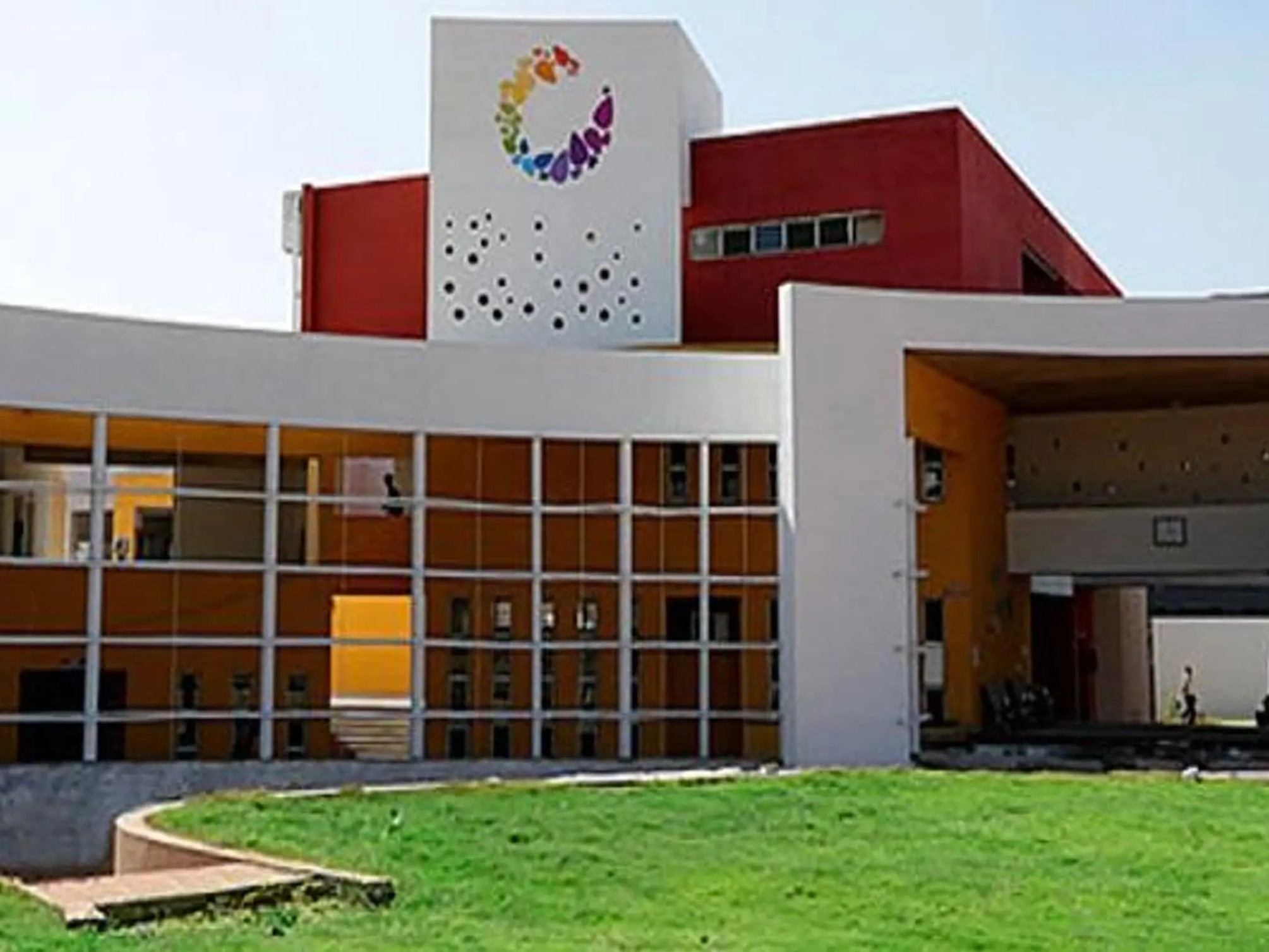
Among the dozens of journalism colleges in India, there are only a few that have an adequate curriculum, and currently only one stands out for excellence in all areas of the profession: the Indian Institute of Journalism & New Media (IIJNM), Bangalore. Its trainee journalists can opt to study in the Print, Broadcast or Multimedia streams and gain both a practical focus as well as instruction in sound theory.
IIJNM graduates are highly sought after by the media industry and are well prepared to rise quickly in the profession. "IIJNM has consistently been producing the best crop of new journalists over the past several years. I have found IIJNM graduates to be the most daring, the most experimental and the most comfortable with tools like RTI,” said Aditya Sinha, former Editor-in-Chief, DNA. With virtually 100% job placement in the past several years, IIJNM alumni are employed in practically every major media organization in India. Undoubtedly, there is no better college in India to study at for a career in journalism.
Institutions like IIJNM will bring about profound impact on India’s media in the years to come. With improvement in the quality of journalism, we can certainly hope for superior reporting and news delivery, leading to better governance and stronger democracy in India.
-- by Arun Thankaraj
Frequently Asked Questions
Sorem ipsum dolor sit amet consectur adipiscing elit sed eius mod nt labore dolore magna aliquaenim ad minim sorem ipsum dolor sit amet consectur adipiscing elit sed eius modam.
Sorem ipsum dolor sit amet consectur adipiscing elit sed eius mod nt labore dolore magna aliquaenim ad minim sorem ipsum dolor sit amet consectur adipiscing elit sed eius modam.
Speak to Counselor

Gallery